


How Exercise Physiology Aids Recovery Safely
A sore knee after surgery, a back injury that makes work difficult, or fatigue that lingers long after treatment can make movement feel risky. This is where understanding how exercise physiology aids recovery can change the path forward. Rather than simply telling you to exercise more, an accredited exercise physiologist uses clinical assessment and prescribed movement to help you regain strength, mobility, confidence and function at a pace that suits your condition.
Recovery is rarely a straight line. Symptoms can fluctuate, life commitments still need attention, and pushing too hard can be as unhelpful as doing too little. Exercise physiology provides a structured, evidence-based way to progress safely, with a plan built around what you need to return to - whether that is work, sport, parenting, household tasks or independent living.
How exercise physiology aids recovery after injury or illness
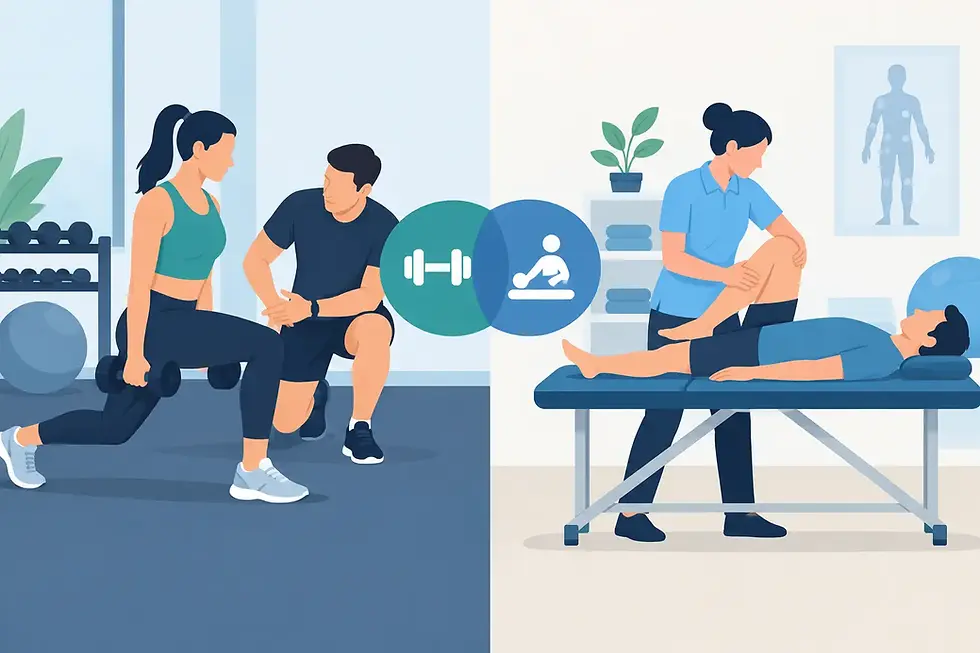
Exercise physiology is the clinical use of exercise to manage injury, chronic health conditions, disability and reduced physical function. An accredited exercise physiologist assesses how your body is currently moving and coping with activity, then designs a tailored program with clear goals and appropriate progressions.
The aim is not to chase a generic fitness target. It is to improve the physical capacities that matter for your recovery. For one person, that may mean rebuilding leg strength and balance after a knee replacement. For another, it may mean gradually tolerating lifting, carrying and standing after a workplace injury. Someone living with persistent pain may need to restore confidence in movement before higher-strength exercise is appropriate.
A well-designed program can help improve muscle strength, joint control, mobility, cardiovascular fitness, balance and day-to-day endurance. These changes support the body’s ability to tolerate the demands of real life while reducing the risk of deconditioning, where avoiding movement leads to further weakness, stiffness and loss of confidence.
Exercise is prescribed, not simply suggested
There is a meaningful difference between being advised to stay active and receiving an individualised exercise prescription. Your exercise physiologist considers your diagnosis, medical history, current symptoms, medications, previous activity levels and recovery goals. They also look at how you move, not just where you feel pain.
That assessment helps determine the right starting point. Early-stage rehabilitation may involve gentle mobility work, low-load strengthening or short, manageable bouts of activity. As capacity improves, the program can progress to more challenging strength, balance, cardiovascular or work-specific exercises.
The dose matters. Too little challenge may not create enough change, while too much too soon can aggravate symptoms or delay recovery. Exercise physiologists adjust the type, intensity, frequency and duration of exercise so progress is purposeful and achievable.
Building capacity for the activities that matter
Pain relief is often an important part of recovery, but it is not the only measure of success. Many people want to walk the dog without needing a long rest, get through a shift comfortably, play with their children, return to the gym or feel steady when moving around the home.
Exercise physiology connects rehabilitation to these practical outcomes. If your job requires repetitive lifting, your program may build lower-body strength, trunk control and safe lifting tolerance. If stairs are difficult after surgery or illness, the focus may include leg strength, balance and graded stair practice. For an athlete, rehabilitation may gradually reintroduce running, jumping, changes of direction and sport-specific demands.
This functional approach is especially valuable when recovery involves more than one issue. Reduced strength after surgery, fear of movement following pain, or low fitness after a period of illness can all affect how well you return to normal activities. Addressing these factors together helps create a more complete and durable recovery.
Recovery plans should respond to your symptoms
A common concern is whether exercise will make an injury worse. In some cases, discomfort during rehabilitation is expected, particularly when tissues and muscles are rebuilding capacity after a period of reduced activity. However, pain should never be ignored or treated as a test of willpower.
An exercise physiologist helps you understand what is likely to be a manageable response to activity and what may indicate a need to modify the program. They can use symptom tracking, movement quality and recovery between sessions to guide progression. This gives you a clearer framework than stopping all activity whenever symptoms appear or forcing through significant pain.
The right plan also accounts for flare-ups, poor sleep, work demands and other changes that can affect recovery. Progress may need to slow temporarily, and that is not failure. Consistency over time is usually more valuable than occasional hard sessions followed by days of increased symptoms.
Persistent pain requires a different conversation
When pain has lasted longer than expected, the body and nervous system can become more sensitive to movement, stress, poor sleep and load changes. Avoidance can feel protective, but it may gradually reduce strength and confidence.
Graded exercise can be part of a broader pain-management plan, helping you reintroduce movement in controlled amounts. The goal is not to dismiss your pain or promise an instant fix. It is to build tolerance, restore function and help you feel more in control of what your body can do.
Depending on your needs, exercise physiology may work alongside physiotherapy, chiropractic care, psychology, remedial massage, occupational therapy or other allied health services. Coordinated care is particularly useful when physical symptoms, work capacity, pain, stress and daily function are closely connected.
Support through surgery, workplace injury and chronic conditions
Exercise physiology can support recovery across many stages of life and health. It is often helpful before and after orthopaedic surgery, following sports injuries, during rehabilitation from workplace or motor vehicle injuries, and for people managing conditions such as arthritis, osteoporosis, diabetes, cardiovascular disease or neurological conditions.
For older Australians, a program may prioritise strength, balance, mobility and confidence to reduce falls risk and maintain independence. For NDIS participants, exercise support may focus on functional goals, participation and capacity for daily routines. For people returning to work, rehabilitation can be tailored to the physical demands of their role rather than relying on a one-size-fits-all gym program.
It depends on the condition, medical advice and your starting point. Some people benefit from close supervision in the early stages, while others are ready for a home or gym-based program with regular reviews. The most effective option is the one that is safe, clinically appropriate and realistic enough to continue.
What to expect from an exercise physiology appointment
Your first appointment should give you more than a sheet of exercises. It is an opportunity to discuss your health history, current limitations, goals and concerns about movement. Your clinician may assess strength, joint range, balance, walking tolerance, posture, functional tasks or cardiovascular capacity, depending on your presentation.
From there, you will receive a personalised treatment plan. You should understand what each exercise is designed to improve, how often to complete it and how to manage symptoms between appointments. Regular reviews allow the program to evolve as you become stronger and more capable.
At Allied Health Co, exercise physiology can be delivered within a broader, coordinated rehabilitation plan. Our purpose-built rehabilitation gym allows patients to work through clinically guided exercise in an environment designed for safe progression. Where needed, your care can be aligned with other practitioners so the plan remains clear and focused on your goals.
Funding pathways may also be available depending on your circumstances, including NDIS, Medicare, WorkCover, CTP, DVA, My Aged Care and private health insurance. The right pathway depends on your referral, eligibility and insurer requirements, but navigating recovery should not mean trying to coordinate every detail alone.
Start where you are, then build from there
The best rehabilitation program is not necessarily the hardest one. It is the one that meets you at your current capacity, gives you a clear direction and steadily prepares you for the life you want to return to. With expert guidance, movement can become a practical part of healing - one session, one milestone and one stronger day at a time.


Comments