


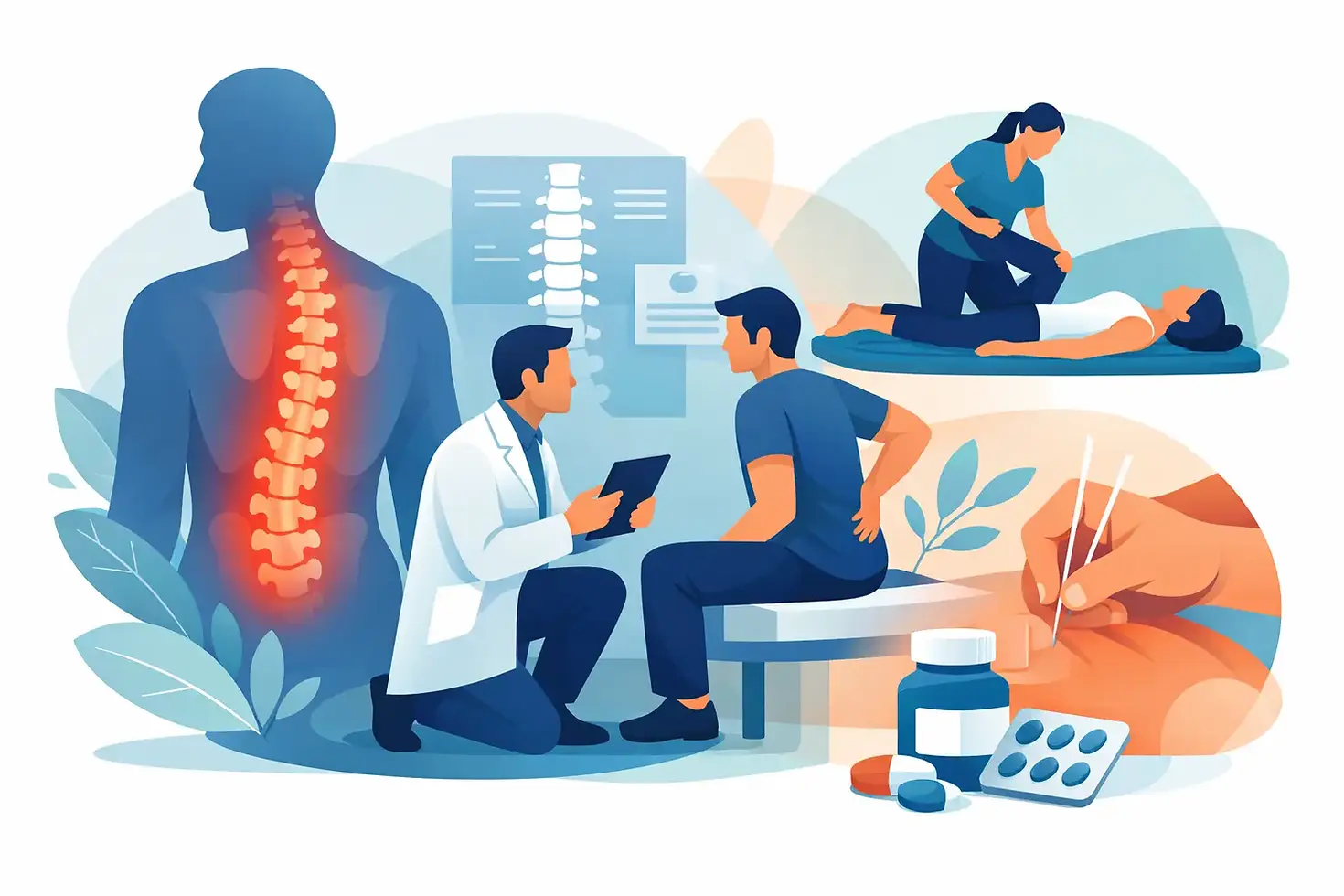
Spinal Pain Treatment Options That Support Recovery
- Abdul Al Haji
- Aug 27
- 5 min read
A stiff neck after a long week at work is one thing. Pain that keeps you from sleeping, driving, lifting your child, returning to work or enjoying a walk is another. The right spinal pain treatment options depend on more than where it hurts. A thorough assessment considers your symptoms, movement, daily demands, health history and goals, then builds a practical path back to better function.
Back, neck and mid-back pain are common, but they are not all the same. Some episodes settle with time and guided activity. Others need targeted rehabilitation, support after an injury or surgery, or coordinated care across several health disciplines. The aim is not simply to chase pain on a good day. It is to help you move with confidence and build capacity for the life you need to live.
Start with a clear assessment
A quality assessment gives treatment direction. Your clinician will ask when the pain began, whether there was an injury, what aggravates or eases it, and how it affects work, sport, sleep and everyday tasks. They will also assess posture, spinal movement, strength, balance, nerve symptoms and the way you move through meaningful activities.
This helps distinguish between a straightforward mechanical flare-up and a presentation that may need further investigation or medical review. Scans can be useful in selected cases, but they are not always the first answer. Many scan findings are common in people without pain, so results need to be interpreted alongside your symptoms and clinical examination.
Seek urgent medical assessment if spinal pain is accompanied by any of the following:
new loss of bladder or bowel control
numbness around the groin or inner thighs
severe or worsening weakness in an arm or leg
fever, unexplained weight loss, significant trauma, or pain that is constant and unrelenting at night.
These symptoms do not automatically mean something serious is happening, but they should not be managed by waiting it out.
Spinal pain treatment options that fit your needs
For most people, a personalised combination of care works better than a one-size-fits-all approach. Treatment should be adjusted as your condition, confidence and function improve.
Physiotherapy and exercise rehabilitation
Physiotherapy is often central to recovery from spinal pain. Early treatment may focus on easing symptoms, restoring comfortable movement and helping you understand what activities are safe to continue. From there, your programme can progress to improve strength, mobility, endurance and movement control.
Exercise is not about forcing through pain or following a generic online routine. The right exercises are selected for your presentation and progressed at a pace that is challenging but achievable. Someone returning to a physical job may need lifting tolerance and trunk endurance, while a runner may need hip strength, spinal control and a graded return to training.
An advanced rehabilitation gym can make this progression more practical. It allows exercises to move beyond the treatment room and towards the tasks that matter outside the clinic, whether that is getting back on the tools, gardening, sport or keeping up with the grandchildren.
Hands-on treatment for short-term symptom relief
Manual therapy, including joint mobilisation, soft-tissue techniques and selected chiropractic care, may help reduce pain and stiffness for some people. It can be particularly useful when symptoms are limiting movement or making it difficult to begin rehabilitation.
Hands-on care is most effective when it supports an active plan rather than replacing one. Relief after treatment is valuable, but lasting progress usually comes from pairing it with education, movement and gradual loading. Your clinician should explain why a technique is being used, what response to expect and how it fits into your wider recovery plan.
Remedial massage and muscle management
Muscle tension can develop around a painful area as the body tries to protect it. Remedial massage may help reduce this tension, improve comfort and support relaxation, especially when stress, poor sleep or a demanding workload are adding to symptoms.
Massage is not a cure for every type of spinal pain, and it cannot correct every underlying driver. However, it can be a useful part of a broader plan when it helps you tolerate movement, sleep better or engage more comfortably in exercise-based rehabilitation.
Education and paced return to activity
Fear of movement is understandable when pain has been persistent or severe. Yet avoiding all activity can lead to reduced strength, lower confidence and greater sensitivity over time. Good care provides clear guidance about what to modify temporarily and what to keep doing safely.
Pacing is especially important for people whose pain fluctuates. Rather than doing too much on a good day and paying for it afterwards, you may use planned activity levels and gradual increases. This approach is relevant for office workers, parents, tradies, athletes and older adults alike. The plan should reflect your real routine, not an idealised version of it.
Psychological support when pain affects more than movement
Persistent pain can affect mood, concentration, relationships and sleep. Stress can also increase muscle tension and make symptoms feel more intense. This does not mean pain is ‘all in your head’. It means the nervous system, thoughts, emotions and physical health all influence the pain experience.
Psychology can be a valuable part of spinal pain management when worry, low mood, trauma, poor sleep or fear of movement are getting in the way of recovery. Strategies may include pain education, coping skills, sleep support and confidence-building approaches that sit alongside physical rehabilitation.
Occupational therapy for work and everyday independence
If pain is affecting your ability to work, manage home tasks or stay independent, occupational therapy can help turn clinical goals into practical changes. That could mean planning a graded return to work, improving workstation setup, identifying safer ways to complete daily tasks or recommending equipment when appropriate.
For people recovering after surgery, managing a workplace injury or living with a longer-term condition, this practical focus can reduce the gap between feeling better in a session and functioning better at home or on the job.
When coordinated care makes a difference
Spinal pain can involve more than one problem at a time. For example, a person with low back pain after a workplace injury may need physiotherapy for rehabilitation, psychology support for persistent pain and sleep disruption, and occupational therapy to plan a safe work return. Trying to coordinate separate appointments, reports and treatment advice can be exhausting when you are already in pain.
At Allied Health Co, practitioners can work together on a shared, personalised treatment plan. This creates clearer communication, reduces conflicting advice and keeps treatment focused on measurable progress. It is also helpful for patients using Medicare, NDIS, WorkCover, CTP, DVA, My Aged Care or private health funding, where coordinated documentation and referral support can make the process easier.
What does progress realistically look like?
Recovery is rarely a perfectly straight line. Symptoms can settle quickly after a recent strain, while persistent pain or post-surgical rehabilitation may require a longer, more gradual approach. A useful measure of progress is not only a lower pain score. It may be sitting through a meeting with less discomfort, walking further, lifting with more confidence, sleeping better or needing fewer breaks at work.
Your treatment plan should include regular review points. If you are not progressing as expected, your clinician may modify exercises, review contributing factors, coordinate with your GP or specialist, or recommend further assessment. This is responsive care, not a reason to assume you have failed treatment.
The most helpful next step is to have your spinal pain assessed before it becomes the thing that decides what you can and cannot do. With expert guidance, the right mix of treatment and a plan built around your goals, recovery can become a series of achievable steps rather than a cycle of short-term relief.


Comments