


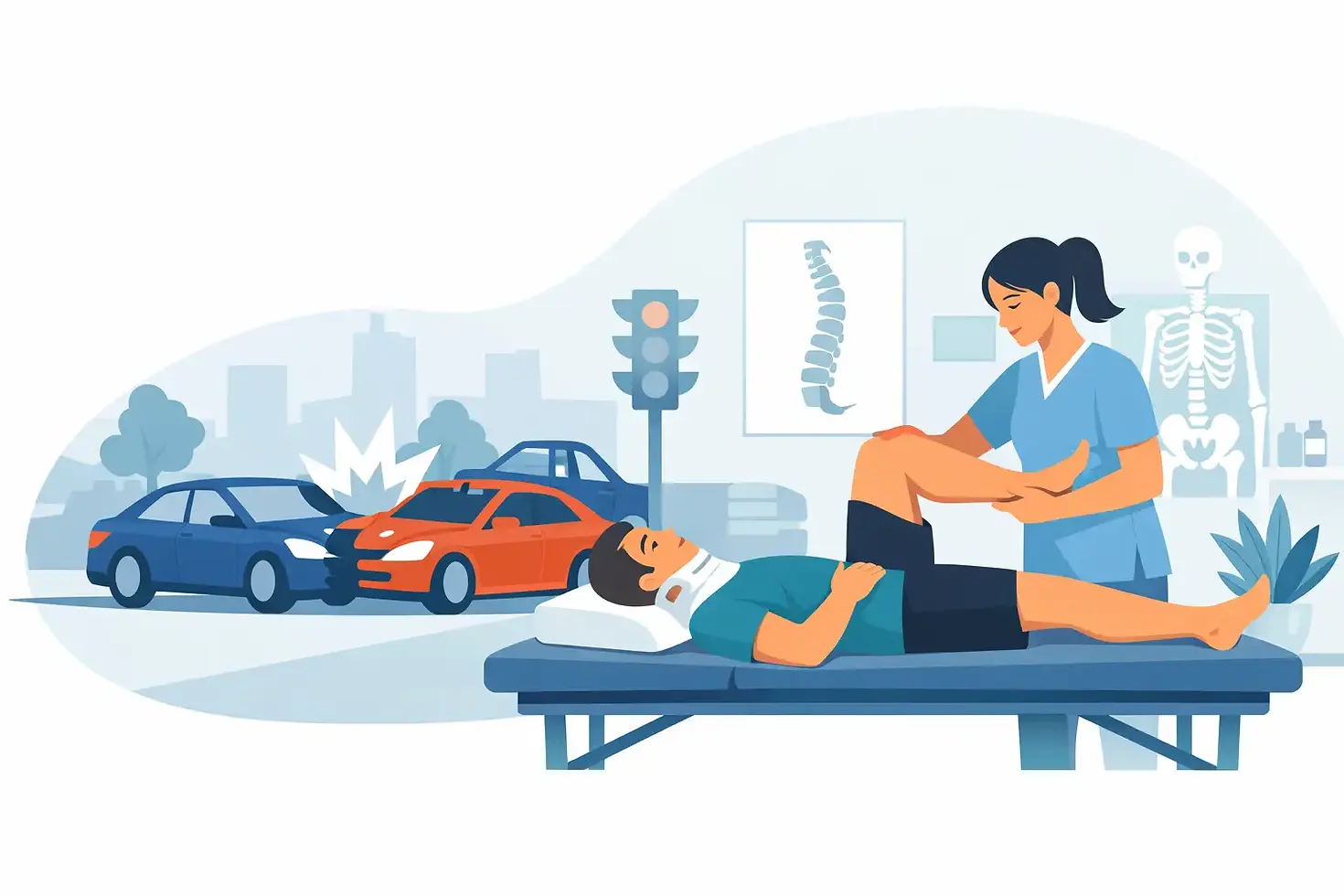
CTP Physiotherapy Treatment After a Car Accident
The days after a car accident can be a blur. You might feel sore, stiff or unsettled, but still assume it will settle on its own. Then the neck pain lingers, your back tightens every morning, or simple movements start to feel harder than they should. That is where ctp physiotherapy treatment can make a real difference - not just for pain relief, but for restoring confidence, movement and function.
For many people in NSW, recovery after a motor vehicle accident is not straightforward. Symptoms can show up hours or days later. Some injuries are obvious, while others build gradually as inflammation, guarding and reduced movement start to affect daily life. Good physiotherapy care helps you address the injury itself, while also giving you a clear, structured path forward.
What ctp physiotherapy treatment is designed to do
CTP physiotherapy treatment supports people who have been injured in a motor vehicle accident and are eligible to claim treatment under the Compulsory Third Party scheme. In practical terms, that means you can access physiotherapy aimed at reducing pain, improving mobility and helping you return to normal activities as safely as possible.
Treatment is not just about the sore area. A rear-end collision, for example, may lead to neck pain, headaches, shoulder restriction, jaw tension or mid-back stiffness. A more significant accident might affect walking, lifting, sleep, concentration and confidence with driving. Effective care needs to look at the whole picture.
That is why a thorough physiotherapy assessment matters. Your physiotherapist should identify what structures may be involved, how the injury is affecting your movement, and what is currently limiting your recovery. From there, treatment can be tailored to your symptoms, your goals and your stage of healing.
Common injuries treated under CTP physiotherapy
The most common presentation after a car accident is whiplash, but that is only part of the story. Physiotherapists regularly treat lower back pain, shoulder injuries, rib and chest wall pain, knee injuries, ankle injuries, muscle strains and post-traumatic stiffness following an accident.
Some people also develop secondary issues because they start moving differently after the injury. You may limp to protect one area, avoid turning your head, or stop exercising because it feels unsafe. Over time, that can create weakness, reduced joint mobility and deconditioning, which can make recovery slower.
There is also an important difference between pain and damage. After an accident, the nervous system can become more sensitive, which means symptoms may feel severe even when scans show little structural change. That does not mean the pain is not real. It means treatment needs to be clinically informed, measured and responsive to how your body is recovering.
What happens at your first appointment
A good first session should bring structure to what often feels like a stressful process. Your physiotherapist will usually ask about the accident itself, when your symptoms began, how they have changed, and what activities are currently difficult. They will also look at your movement, strength, joint range, balance, walking pattern and functional limitations.
This assessment forms the basis of your treatment plan. If you are struggling to work, care for your family, drive, sleep or manage stairs, that should be part of the plan too. Recovery is not measured only by pain scores. It is measured by how well you can get back to real life.
At Allied Health Co, this kind of planning is especially valuable when recovery involves more than one issue. Some patients need physiotherapy alongside exercise physiology, psychology or other allied health support. Coordinated care can reduce delays and help treatment stay focused on practical outcomes.
What ctp physiotherapy treatment may include
The right treatment approach depends on the injury, severity and time since the accident. Early on, the priority may be settling pain, reducing muscle guarding and helping you move more comfortably. Later, the focus often shifts toward rebuilding strength, endurance, control and confidence.
Your physiotherapy treatment may include hands-on therapy, guided mobility work, strengthening exercises, posture and movement retraining, and education around pacing and flare-up management. If certain tasks are aggravating symptoms, your physiotherapist can help you modify them without avoiding movement altogether.
Exercise is often a key part of recovery, but it needs to be prescribed properly. Too little activity can slow progress. Too much, too soon can aggravate symptoms. This is where evidence-based care matters. The aim is to challenge the body enough to promote recovery, without pushing beyond what the tissue or nervous system can currently tolerate.
Why early treatment often leads to better outcomes
Not every post-accident ache becomes a long-term problem, but delayed care can make recovery harder. When pain persists, people often start compensating without realising it. They move less, become more cautious and lose strength and conditioning. That can turn a manageable injury into a more persistent one.
Early physiotherapy can help identify what is likely to settle with time and what needs closer management. It can also reassure you when symptoms feel worrying. That reassurance is not about dismissing pain. It is about explaining what is happening, what to expect and what you can do next.
That said, early treatment does not mean aggressive treatment. Some injuries need a slower start. If you are highly irritable, dizzy, concussed, or struggling with significant trauma-related symptoms, your care plan may need to be more gradual and involve collaboration with your GP or other health professionals.
The role of evidence-based rehabilitation
One of the biggest misconceptions about accident recovery is that rest alone will fix it. Rest may help in the very early stages, but most people need progressive rehabilitation to fully regain function. Evidence-based physiotherapy uses assessment findings, clinical experience and current research to guide that process.
That means your treatment should evolve. If pain settles but strength has not returned, the plan should change. If mobility improves but work duties still trigger symptoms, rehabilitation should become more task-specific. If progress stalls, the clinician should reassess rather than simply repeat the same treatment.
This is particularly important for people returning to physically demanding work, sport or caring responsibilities. Feeling a bit better is not the same as being ready. Recovery needs to match the real demands of your day.
Navigating the practical side of CTP care
For many patients, the hardest part is not the treatment itself - it is understanding the process. CTP claims can feel administrative at a time when you are already dealing with pain, appointments and disruption to everyday life.
A clinic experienced in CTP care can help reduce that friction. That includes understanding referral requirements, documenting treatment appropriately, communicating clearly about progress and keeping care aligned with your approved pathway. When those systems are organised, patients can spend less energy chasing paperwork and more energy focusing on recovery.
There can also be some variation depending on where you are in the claims process, the nature of your injuries and whether other providers are involved. That is why clear communication matters from the beginning. Good care is clinical, but it is also practical.
When recovery is taking longer than expected
Some people improve quickly. Others do not, even when they are doing all the right things. If your recovery is slower than expected, that does not automatically mean something has been missed. It may reflect the severity of the accident, pre-existing issues, nervous system sensitivity, sleep disruption, psychological stress or the fact that life has not paused while you recover.
This is where personalised care really matters. A standard exercise sheet is rarely enough for complex recovery. You may need a more graded program, closer review, access to a rehabilitation gym, or support from multiple disciplines to address the full impact of the injury.
The goal is not to rush you. It is to keep progress moving, even if that progress is gradual. A well-managed treatment plan gives you realistic expectations, measurable milestones and a clear sense of what comes next.
Choosing the right clinic for CTP physiotherapy treatment
If you are looking for CTP physiotherapy treatment, experience matters, but so does the way care is delivered. You want a clinic that is organised, evidence-based and able to tailor treatment to your injury, your lifestyle and your claim pathway. Longer consultations, clear planning and coordinated support can make a meaningful difference, especially when recovery is more complex.
You should also feel confident that your care is geared toward outcomes that matter to you. That might be getting back to work, driving comfortably again, lifting your child without pain, or returning to exercise without fear of a setback. The right treatment plan keeps those goals in view from day one.
Recovery after a car accident rarely feels convenient, but it does not have to feel directionless. With the right support, progress becomes easier to understand, easier to measure and far more achievable.



It’s surprising how much recovery after a car accident depends on getting the right treatment early. A good physio can make a real difference with pain, mobility and getting you back to normal. I reckon it’s a bit like investing in Professional Car Sound Deadening. Taking care of the problem properly from the start gives better results in the long run. Definitely worth reading for anyone dealing with a CTP claim or helping a loved one through the process.